.jpg)
If you’ve ever experienced persistent pain even when scans, labs, or exams don't show a clear cause or after a physical injury has healed... you know how frustrating it feels. You might even start to wonder if the pain is "all in your head."
The truth is, pain is always real. It always comes from the body's alarm system. However, not all pain is caused by physical damage or a structural problem in the body. This is known as nonstructural pain.
.jpg)
Nonstructural pain refers to real physical pain that is not caused by ongoing tissue damage, inflammation, or structural injury. Instead, it arises from changes in the way the brain and nervous system process danger and threat signals.
In other words, the pain is not “all in your head”. It’s in your brain and body, but not due to a structural abnormality. The nervous system has become sensitized and overprotective, interpreting safe or neutral sensations as painful.
Why does this happen?
Nonstructural pain happens when the nervous system becomes overly sensitive or dysregulated. In other words, the brain and body’s pain system stays “turned on” even after tissues have healed, or even when no physical damage ever occurred. It’s like a smoke alarm that keeps sounding even though there’s no fire. The alarm system itself has become hypersensitive.
Nonstructural pain is a false alarm, a warning signal that the body is in danger when it is actually safe.
Our brains and bodies are deeply connected. When we experience ongoing stress, emotional overwhelm, trauma, or long-term illness, our nervous system can stay in “fight, flight, or freeze” mode. Over time, this can increase pain signals and muscle tension, reduce recovery, and create a loop that keeps pain active.
When the brain misinterprets normal sensations as threats (such as a gentle touch to the back where someone usually experiences pain), it amplifies pain signals through the brain’s fear networks.
Nonstructural Pain Facts:
- The body can experience pain even in the absence of physical damage
- Nonstructural pain does not mean something is “psychological”
- Nonstructural pain is extremely common
- Pain does not always mean tissue damage
- Fear and anxiety amplify pain
- Stress and emotional suppression increase pain symptoms
- Nonstructural pain is often reversible
- Surgeries for chronic pain are often ineffective and are, in many cases, no better than placebo surgeries
- Pain is generated by the brain as a protective mechanism
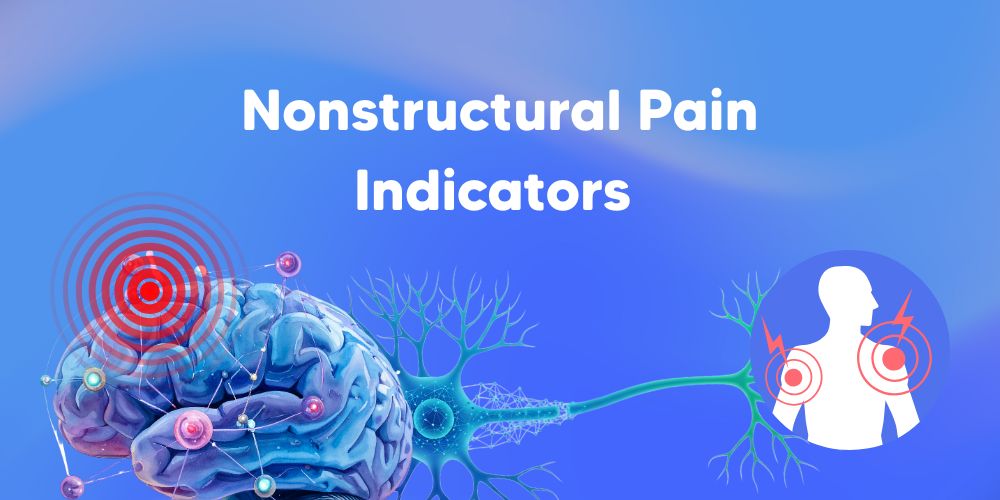
Because nonstructural pain arises from changes in how the brain and nervous system interpret signals, it often presents through specific patterns that differ from traditional tissue injuries.
The following indicators suggest the pain is driven by a sensitized or misfiring alarm system rather than structural damage:
- Symptoms Begin Without Injury: When symptoms appear spontaneously without any physical event capable of injuring tissue, the most plausible explanation is a sensitized pain system. Structural pain, by contrast, requires a mechanical or biological mechanism of injury.
- Symptoms Begin During Times of High Stress: Stress directly activates the brain's threat circuitry and up-regulates the pain system. Because stress alone cannot damage physical structures, pain appearing solely in response to stress is almost certainly neurological.
- Symptoms Are Inconsistent: Nonstructural pain is highly influenced by emotions, attention, and context. If pain is better some days and worse others, or only occurs in certain settings, it reflects brain-driven modulation rather than the stable, predictable patterns of injured tissue.
- Symptoms Are Unexplainable by Known Structural Conditions: If symptoms are widespread, shifting, or do not match known patterns of nerve or tissue injury, it suggests the nervous system is driving the pain. Structural pain follows known anatomical rules; when symptoms defy these, a structural model lacks explanatory power.
- Symptoms Triggered by Factors Unrelated to the Body: Triggers such as emotions, weather, memories, or conflict suggest the symptoms are generated by the brain's threat perception system. Damaged tissue is not affected by conversations or memories, whereas the brain can associate these emotional cues with danger.
- History of Childhood Adversity: Early adversity can condition the nervous system toward increased sensitivity and a heightened threat response. This is a documented risk factor for central sensitization and affects neural processing rather than the adult musculoskeletal system.
- Presence of Common Personality Traits: Traits such as perfectionism, people-pleasing, self-pressure, and being worry-prone correlate with heightened stress responses. This internal environment sensitizes the pain system and increases vulnerability to brain-generated pain.
- Co-Occurring Mental Health Conditions: Conditions like anxiety and depression involve altered activity in brain regions that overlap with the pain network. While they do not create structural damage, they amplify threat perception and make the pain alarm system more reactive.
- Family History of Chronic Pain: Family patterns often reflect learned responses to stress, modeled pain behaviors, and shared beliefs about danger. Most chronic pain syndromes run in families due to these neural sensitivity factors rather than shared physical injuries.
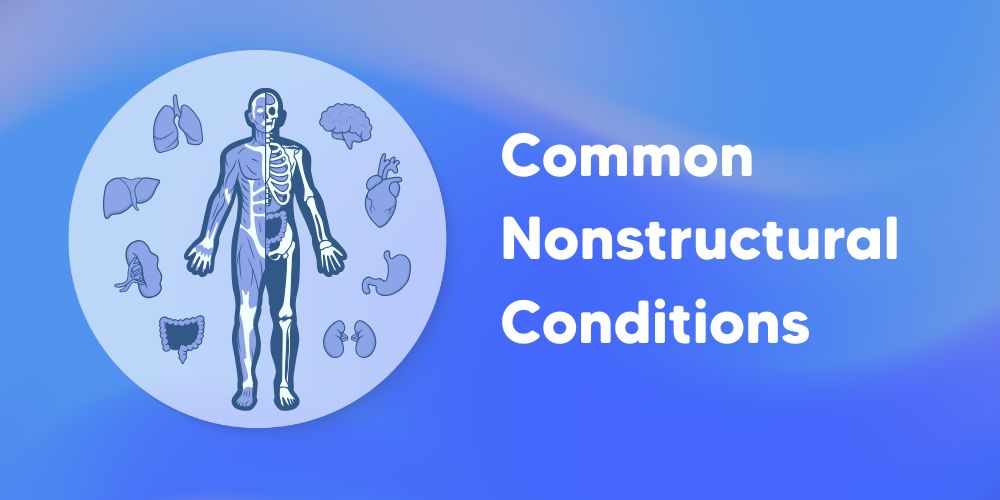
Many chronic pain and symptom-based conditions fall into a category called nonstructural conditions. This means the symptoms are real and often severe, but they are not caused by ongoing tissue damage, disease, or structural breakdown. Instead, they arise from changes in the nervous system; how the brain and body generate, process, and interpret sensory signals.
Even though these conditions affect different parts of the body (head, jaw, gut, pelvis, back, or neurological functioning) and they share one core mechanism:
The nervous system becomes sensitized and begins generating pain or symptoms in the absence of ongoing structural damage.
They are real, involuntary, and treatable expressions of a nervous system operating in a high-alert or overprotective state.
These conditions often overlap and share similar nervous system mechanisms:
- Fibromyalgia – widespread musculoskeletal pain, fatigue, and sensitivity to touch.
- Tension headaches and migraines – pain triggered by neural or emotional stress rather than physical injury.
- Irritable bowel syndrome (IBS) – abdominal pain and digestive symptoms without structural GI disease.
- Temporomandibular joint disorder (TMJ) – jaw pain often connected to tension and emotional suppression.
- Chronic pelvic pain – pain without identifiable tissue injury, often linked to stress or trauma.
- Chronic back or neck pain – persistent pain despite normal scans or successful surgeries.
- Chronic knee pain - knee pain that does not come from tissue damage or a structural injury, like torn cartilage, arthritis, or ligament damage.
- Functional neurological symptom disorder – neurologic-like symptoms without structural cause.
- Type 1 complex regional pain syndrome - Occurs after an injury where there's no confirmed nerve damage
Why these Conditions are Considered Nonstructural
.jpg)
Nonstructural pain is reversible. The nervous system can learn new patterns, just like it learned to stay on high alert, it can learn to calm down and re-regulate.
Recovery involves teaching the brain that the body is safe and developing skills to regulate our nervous systems in order to shift our bodies out of “flight or flight” mode and into “rest and recovery”.
When we teach the brain to recognize safety the fear networks quiet down, and the brain relearns that sensations are safe, and pain intensity often decreases. In turn this can also decrease your stress, improve your sleep, and improve health markers such as HRV.
.jpg)
Recovery from nonstructural pain involves retraining the brain’s danger response rather than fixing the body. This includes:
- Education: Understanding that pain can occur without injury.
- Awareness: Noticing fear and tension patterns that amplify symptoms.
- Emotional expression: Addressing stress, emotions, and beliefs around pain, and identifying suppressed emotions that may reinforce pain.
- Movement: Gradual re-engagement with normal activities to signal safety.
- Self-compassion and nervous system regulation: Calming the body’s alarm system through nervous system regulation and relaxation skills
When the brain learns that the body is safe, it can turn down the pain signal—often leading to significant relief and restored function.
Healing occurs when the nervous system shifts from protection to safety, allowing both the mind and body to return to balance.